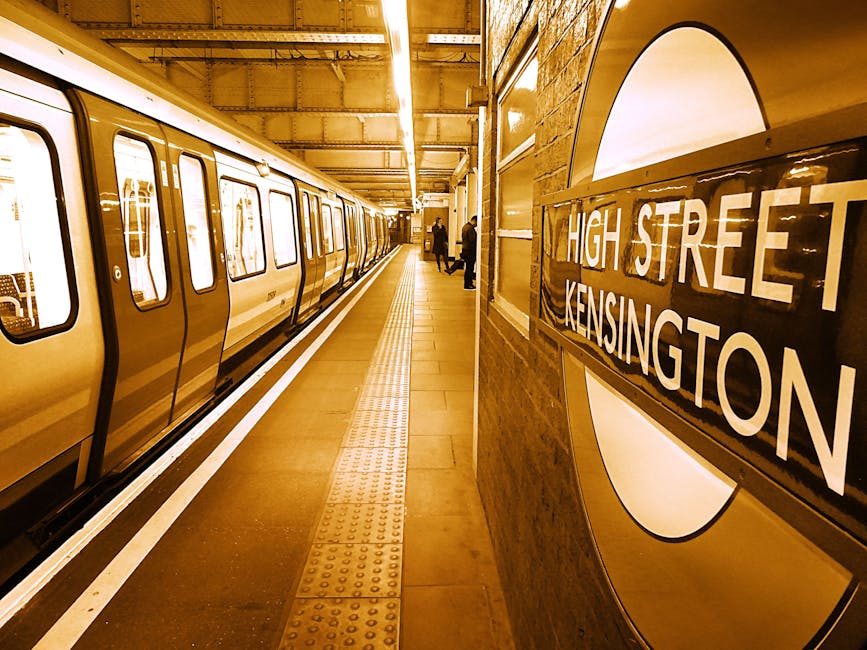
Kennington Station moving access tips for flat removals
Posted on 07/05/2026
Kennington Station Moving Access Tips for Flat Removals
Moving out of a flat near Kennington Station sounds simple enough on paper. Then you meet the reality: tight stairwells, awkward loading spots, residents' parking, lift access that may or may not be working, and a van that cannot just stop wherever it likes. If you are trying to organise a smooth flat move in SE11, the small access details often matter more than the big stuff. That is exactly why Kennington Station moving access tips for flat removals can save you time, stress, and a few headaches on moving day.
This guide breaks the process down in a practical way. You will learn how to assess access, plan around station traffic and local road patterns, avoid the usual mistakes, and decide which removal option makes sense for your flat. A lot of moves near Kennington Station go fine, honestly, but the ones that go really well usually have one thing in common: somebody checked the access properly before the first box was lifted.
If you are comparing service options as well, it may help to look at our flat removals in Kennington page, our broader removal services in Kennington, and the local guide to removal companies in Kennington. Those pages sit nicely alongside this one if you are still deciding how much help you need.

Why Kennington Station moving access tips for flat removals Matters
Kennington Station sits in a part of London where access can change quickly from one street to the next. Some flats have decent frontage and manageable loading space. Others are tucked behind narrow roads, shared entrances, basement steps, or internal corridors that look fine until you try carrying a sofa through them. That is why access planning is not a minor detail. It shapes the whole move.
For flat removals, access affects the van size you can use, the number of crew needed, the time required, and the chance of delays. It can also affect cost. If the removal team arrives expecting easy kerbside loading and finds a long carry to a third-floor flat with no lift, the schedule can wobble very quickly. Not ideal. Not at all.
There is also the local factor. Around a busy station area, you are dealing with foot traffic, busier roads, and the need to avoid blocking entrances or causing problems for neighbours. In a place like Kennington, a good move is often the one that looks almost boring from the outside. Calm, organised, and planned around the street rather than the other way round.
That is the real value of access tips: they reduce surprises. And moving day has enough surprises already, let's face it.
How Kennington Station moving access tips for flat removals Works
The process starts with understanding the route from the flat to the vehicle, not just the postcode on the booking form. Think in layers: inside the building, building entrance, pavement, road position, and parking or waiting arrangements. Each layer can create a bottleneck.
For a flat move near Kennington Station, the practical questions are usually these:
- How far is the flat from the nearest safe stopping point?
- Are there stairs, lifts, or narrow turns inside the building?
- Can the van stop briefly outside, or will you need a permit or loading bay?
- Will there be space for a larger removal vehicle, or is a smaller van more realistic?
- Does the building have rules about moving times, lift booking, or protection for common areas?
Once you answer those questions, the move becomes much easier to plan. A good removals team will usually ask for photos, floor numbers, and a quick description of the street. That is not nosiness. It is risk control. If they know in advance that the lift is tiny or the access road is tight, they can adjust the van, crew, and sequence of loading.
In practice, the best moves near Kennington Station are the ones where the access plan is treated like part of the inventory. Not glamorous, but absolutely useful. You might be surprised how much smoother things feel when someone has already pictured the route from front door to tail lift.
Key Benefits and Practical Advantages
Good access planning does more than prevent awkward moments. It improves the whole move in ways you notice immediately.
| Benefit | What it means in real life |
|---|---|
| Fewer delays | The crew can work to a clear plan instead of pausing to solve access problems on the spot. |
| Better vehicle choice | You can match the van size to the street and loading conditions rather than guessing. |
| Lower damage risk | Less rushed carrying means fewer knocks on walls, frames, and furniture. |
| More accurate quotes | When access is clear, pricing and timing are usually easier to estimate properly. |
| Less stress | You are not trying to make last-minute decisions while standing on the pavement with a mattress. |
There is also a quieter benefit: better communication with neighbours and building managers. If you know the access plan, you can warn people at the right time and avoid awkward interruptions. That matters in apartment buildings where shared spaces feel small and everyone hears everything. A bit of courtesy goes a long way.
If you are still weighing up whether to use a smaller vehicle or a more full-service arrangement, our man with a van in Kennington and man and a van in Kennington pages can help you compare the most common options for local flat moves.
Who This Is For and When It Makes Sense
This guidance is especially useful if you are moving from or into a flat near Kennington Station and any of the following apply:
- you are on an upper floor
- the building has a small lift or no lift at all
- parking is tight or controlled
- there is a long walk from the street to the flat entrance
- you have bulky furniture, white goods, or fragile items
- you are moving at a busy time of day
- you need a same-day or short-notice move
It also makes sense for landlords, letting agents, and building managers who want fewer complaints and a cleaner handover. A well-handled move protects shared areas and keeps everyone happier. The lift is less likely to get scratched, the hallway stays clear, and the move finishes with fewer apologies floating around. Nice, simple, calm.
Students and first-time movers often need this advice most, but frankly experienced movers can still get caught out by local access quirks. One street looks easy on the map, and then you are standing there realising the loading space is shorter than the sofa. Happens more often than people admit.
Step-by-Step Guidance
Here is a practical way to plan access for a flat removal near Kennington Station.
- Check the exact route from flat to vehicle. Measure or estimate the distance from the front door to the roadside stop. Include stairs, corners, gates, and any shared hallways.
- Confirm building access details. Ask whether there is a lift, whether it is bookable, and whether it is large enough for furniture. If not, factor in stairs from the beginning.
- Review road and parking conditions. Look at whether a van can stop safely outside, whether there is resident-only parking, and whether loading restrictions apply.
- Speak to the building manager or landlord early. In some blocks, you need to reserve the lift or protect common areas. Find that out before moving week.
- Share photos with the removal company. Photos of entrances, staircases, the street, and parking can be more useful than a long description. To be fair, a picture of that narrow stair bend speaks volumes.
- Choose the right service level. If access is tight but the load is modest, a smaller vehicle or a man and van service in Kennington may suit you better than a larger truck. For larger loads, a fuller removal service can be the safer call.
- Plan the order of loading. Put the items you will need first near the door, and keep bulky pieces easy to reach. That saves time once the team starts carrying.
- Protect the building and the furniture. Use covers, blankets, corner protectors, and floor runners where needed. It keeps everybody calmer and reduces accidental marks.
A small but useful detail: if your flat is near a station, try to avoid assuming the morning will be quiet. Commuter flow can affect where a van can pause, especially if the street is already busy. Even ten minutes of observation the day before can help.
If you need packing support before the access work even starts, the packing and boxes in Kennington page is a sensible next stop.
Expert Tips for Better Results
After a few local moves, certain patterns become obvious. Here are the practical tips that tend to make the biggest difference.
1. Do a walk-through at the same time of day as your move
Street conditions can feel very different at 8:30 in the morning compared with midday. If you can, check the route when traffic and footfall are similar to move day. The road may look clear on a Sunday and much less friendly on a weekday.
2. Keep the heaviest items accessible
It sounds basic, but in a flat move the heavy stuff often gets buried behind boxes. A mattress wedged behind lamp boxes is just annoying. Put the awkward items where they can be removed first, especially if access is limited and you want to reduce carrying time.
3. Use the lift intelligently, not just quickly
If your building has a lift, make sure you know its size and any rules around usage. A tiny lift can still help, but only if you load it carefully. One overfilled lift trip can waste more time than two planned trips. Strange, but true.
4. Leave a buffer for key collection and handover
With flats, access timing often depends on someone else. Agents, concierges, landlords, or incoming tenants can all affect the day. A little buffer avoids that horrible feeling of waiting on the pavement while the clock runs.
5. Ask about insurance and item handling
Good access planning helps, but accidents can still happen. Check that your mover is clear about insurance and handling expectations. Our insurance and safety page explains the kind of reassurance people usually look for before booking.
And a small human note: if you are moving on a damp London morning, protect floors and boxes from moisture. A wet cardboard box is one of those little things that turns a normal day into a grumpy one. Nobody needs that.

Common Mistakes to Avoid
Most access problems are avoidable. The issue is usually not bad luck; it is missing one small detail that turns out to be a big detail.
- Assuming the van can park anywhere. Around station areas, parking and stopping rules can be tighter than people expect.
- Forgetting to mention stairs or lifts. A removal team needs accurate information to choose the right crew and equipment.
- Leaving lift booking too late. In some buildings, the lift is shared and time-limited. By the time you ask, the slot may already be gone.
- Not checking door widths and sharp turns. Sofas, wardrobes, and beds do not bend kindly.
- Packing too slowly on moving morning. If the access window is short, you do not want still-sealed boxes all over the hallway.
- Ignoring neighbour impact. A blocked entrance or noisy corridor can create avoidable tension. A quick note in advance usually helps.
One more thing people forget: refuse and recycling. Clear out what you are not taking before the move. That keeps access routes clearer and reduces wasted trips. If you are trying to move responsibly, our recycling and sustainability page is useful for the bigger picture.
Tools, Resources and Recommendations
You do not need specialist equipment for every flat move, but the right tools help a lot when access is awkward.
- Measuring tape: useful for doorways, hallways, furniture dimensions, and lift clearance.
- Phone photos and video: a short video of the route from flat to street can be surprisingly helpful for estimations.
- Furniture blankets and covers: reduce knocks and protect shared spaces.
- Markers and labels: keep loading organised, especially when items have to be carried a long way.
- Parking notes or permit information: essential if access depends on a specific loading arrangement.
- Sturdy packing materials: useful if the carry is long, because weak boxes split at the worst time. Always at the worst time.
For cost planning, our local Kennington removals cost guide is a helpful companion read if you want to understand the factors that shape quotes. And if you want a general service overview before booking, take a look at the services overview.
For readers who like to compare a few moving approaches before deciding, the removal van options in Kennington page is also worth a look.
Law, Compliance, Standards, or Best Practice
For a typical flat removal, the main compliance issues are practical rather than deeply legal, but they still matter. If the property is leasehold or part of a managed block, there may be building rules about move times, lift protection, parking, or noise. Those rules vary, so it is wise to confirm them with the managing agent or landlord rather than assuming.
There are also normal UK expectations around safe lifting, safe loading, and not obstructing public roads or pavements. A competent removals team should work in line with sensible health and safety practice, including careful handling, clear walkways, and appropriate equipment. If you want to understand how a provider frames that responsibility, our health and safety policy gives useful context.
If the move involves temporary storage, advance notice on access and handling is still important. Stored items should be packed properly and documented clearly. That is just good practice, really. It protects you and makes the whole move easier to trace if something needs checking later.
For payment clarity and quote expectations, it is also sensible to review the pricing and quotes page and the terms and conditions before confirming a booking. Clear paperwork is not exciting, but it saves arguments. And arguments are terrible on moving day.
Options, Methods, or Comparison Table
Different access situations suit different moving methods. Here is a simple comparison.
| Method | Best for | Things to watch |
|---|---|---|
| Small man and van | Light flat moves, short distance, limited parking space | May require multiple trips if the load is larger than expected |
| Standard removal van | Typical one- or two-bedroom flats with manageable access | Needs a realistic parking and loading plan |
| Full removal team | Larger flats, heavier furniture, awkward stairs or shared access | Usually needs more lead time and better access information |
| Same-day removals | Urgent moves, late key changes, short notice handovers | Limited flexibility, so details must be accurate |
| Storage plus removal | Moves with timing gaps or renovation delays | Needs organised labelling and clear item lists |
For many flats near Kennington Station, a smaller vehicle is not automatically better. It depends on the item count, the route, and the loading conditions. Sometimes the smartest move is the one with the right team size rather than the biggest van. That sounds obvious, but people still get it wrong all the time.
If you are in a hurry, the same-day removals in Kennington page may be relevant. And if you are moving from a larger property or combining rooms into one load, have a look at house removals in Kennington as well, because some access principles overlap.
Case Study or Real-World Example
Here is a realistic example based on the sort of move that comes up often around station-side flats.
A couple moving from a second-floor flat near Kennington Station had a standard-sized sofa, a bed, two wardrobes, a desk, and about thirty boxes. On paper, it looked like a straightforward half-day move. But the building lift was narrow, the loading area outside was limited, and the street had busier traffic than they had expected.
Instead of waiting until moving morning, they shared photos of the hallway, lift, and frontage a few days before the move. The removal team suggested a smaller vehicle and an earlier start. They also recommended breaking down the wardrobe in advance and keeping the sofa cushions separate. Not dramatic advice, just practical stuff.
The result? The team got the larger furniture out first while the street was still calmer, then used the lift for the lighter items and boxes. There were no panicked decisions on the pavement, and the move stayed orderly. The couple later said the difference was mostly down to access planning, not the size of the job.
That kind of move is a good reminder that flat removals are rarely hard because of volume alone. They are hard when the access is unclear. Once access is understood, things usually feel a lot more manageable.
Practical Checklist
Use this before your moving day near Kennington Station.
- Confirm the exact flat floor and whether there is a lift
- Measure doorways, key furniture, and any tight corners
- Check if you need to reserve the lift or tell building management
- Review parking, loading, and stopping restrictions near the property
- Share photos or a short video of access points with your mover
- Decide whether a small van, standard removal van, or full team suits the job
- Label boxes clearly, especially fragile and priority items
- Protect common areas, floors, and corners where needed
- Pack parking permits or building approval documents together
- Keep keys, contact numbers, and move-day paperwork close at hand
Quick takeaway: if you sort the access early, the whole move feels easier. The boxes still need carrying, of course, but the day becomes much less chaotic.
Conclusion
Moving from a flat near Kennington Station is much easier when you treat access as part of the move, not an afterthought. The route to the van, the building rules, parking realities, and the size of your furniture all shape the day. Get those details right and you reduce delays, protect your belongings, and make life easier for everyone involved.
The real lesson is simple: good flat removals are built on preparation. A few photos, a few measurements, and one proper conversation with your mover can prevent a lot of rushed problem-solving later. That is usually the difference between a stressful shuffle and a move that feels under control.
If you are still planning your move, it may be worth exploring the wider local pages on flat removals, man with van services, or storage in Kennington depending on what your situation needs. A good plan makes a good move, simple as that.
Get a free quote today and see how much you can save.
And if you are moving soon, give yourself a little credit. Sorting a flat move in London is not nothing. Once the last box is through the door, you will be glad you planned it properly.