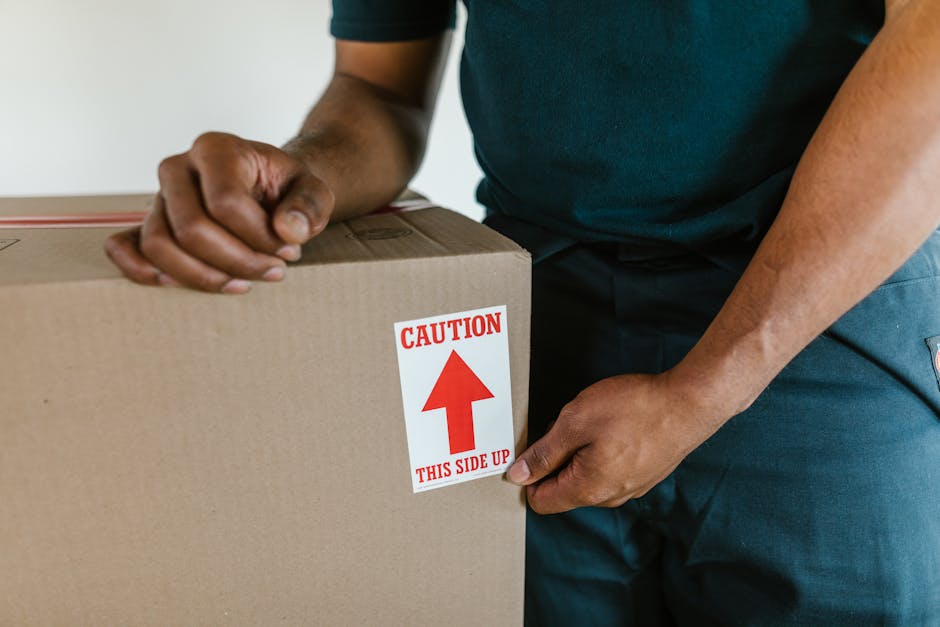
Insider tips for fragile furniture removals in Kennington terraces

Moving delicate furniture in a Kennington terrace is one of those jobs that looks simple right up until you meet the narrow stairwell, the awkward turn on the landing, and the very unforgiving front door frame. If you are planning fragile furniture removals in Kennington terraces, the difference between a smooth move and a stressful one usually comes down to preparation, timing, and a few insider habits that experienced crews rely on every day.
This guide breaks the process down in plain English. You will find practical packing advice, route-planning tips for terrace homes, common mistakes to avoid, and a sensible checklist you can actually use on moving day. No fluff. Just the sort of detail that saves a chipped table leg, a cracked mirror, or a very long sigh at the kerb.
- Why fragile furniture removals in Kennington terraces matters
- How the process works in practice
- Key benefits and practical advantages
- Who this is for and when it makes sense
- Step-by-step guidance
- Expert tips for better results
- Common mistakes to avoid
- Tools, resources and recommendations
- Law, compliance, standards and best practice
- Options and comparison table
- Case study or real-world example
- Practical checklist
- Conclusion
- Frequently asked questions
Why fragile furniture removals in Kennington terraces matters
Terrace properties in Kennington often come with character, and character usually means less-than-generous access. Tight hallways, steep internal stairs, railings near the pavement, and parked cars outside can all make delicate furniture harder to move than it first appears. That matters because fragile items do not fail politely. They catch, knock, twist, scrape, and sometimes crack when one small detail is missed.
We are talking about glass-topped tables, antique cabinets, marble-effect consoles, mirrors, display units, cane furniture, upholstered pieces with delicate frames, and anything with thin legs or awkward weight distribution. These items can be perfectly sound in the home and still become vulnerable the moment they are moved through a terrace layout. The move itself becomes the risk.
There is also the human side of it. Most people do not move fragile furniture every week, so it is easy to underestimate how much space a bulky sideboard actually needs when it reaches a turning point on the stairs. To be fair, it is the kind of thing you only notice when the runner starts slipping and someone mutters, "bit tight, isn't it?"
The real value of insider advice is that it helps you avoid preventable damage and reduce stress before the first box is even lifted. A good plan protects both the furniture and the house, which is especially useful in terraced properties where every scratch on a wall feels more visible than it would in a larger, newer build.
Practical takeaway: in terrace moves, fragile furniture is usually damaged by access problems, poor wrapping, or rushed handling rather than by the journey itself. Fix the access problem early and the rest gets much easier.
How fragile furniture removals in Kennington terraces works
The process starts long before moving day. In a terrace home, the first job is to map the route: room to hallway, hallway to front door, front door to pavement, pavement to vehicle. That sounds obvious, but it is where many problems begin. A sofa may fit the room and the van, yet still fail at the staircase bend because nobody checked the angle of the turn.
Professional movers typically work in layers. First comes inspection. Then wrapping, dismantling where sensible, route clearing, and coordinated lifting. For fragile furniture, each layer matters. A glass cabinet may need shelves removed separately, a dining table may need its legs detached, and a mirror may need a cardboard face guard before it ever leaves the room. The goal is simple: reduce pressure points and remove anything loose that could shift in transit.
In Kennington terraces, access planning often matters more than brute strength. Parking restrictions, narrow pavements, shared entrances, and stairs with awkward headroom can all affect the sequence of the move. If you know in advance that the front door opens inward and clips the edge of the banister, you can plan around it. That is the sort of thing that saves time and a fair bit of swearing.
Once the item is out, loading matters just as much. Fragile furniture should be placed where it cannot slide, tip, or bear the weight of heavier items. The van should be loaded with restraint, not optimism. It is tempting to "just fit one more thing in", but fragile furniture does not appreciate improvisation. Truth be told, neither does a chipped doorway.
Key benefits and practical advantages
There are good reasons to approach fragile furniture removals with a bit of discipline, especially in terrace properties.
- Less damage: careful wrapping and route planning reduce the chance of scratches, cracks, dents, and broken fittings.
- Faster moving day: when access is sorted in advance, crews spend less time rethinking each turn and more time getting the job done.
- Lower stress: knowing what is fragile, what needs dismantling, and what should be carried upright makes the day feel manageable.
- Better protection for the home: walls, bannisters, flooring, and door frames all stay safer when furniture is controlled properly.
- Improved handling of valuable pieces: antique, custom-made, or sentimental items get the special attention they deserve.
There is also a subtle benefit people often overlook: confidence. Once you know the plan, the whole move feels less like a guessing game. You can make decisions properly instead of reacting every five minutes when the next awkward angle appears.
For households with mixed furniture, the difference can be dramatic. A move that includes everyday pieces plus one or two delicate items often goes better when the fragile items are treated as a separate category from the start. They are not just "another load"; they are the pieces that need a little more care, and a little more time.
Who this is for and when it makes sense
This advice is useful if you live in a Kennington terrace and have any of the following:
- glass or mirrored furniture
- antique or heirloom pieces
- bulky items with delicate frames
- furniture with detachable legs, shelves, or finials
- staircases that are narrow or sharply turned
- limited street access or tricky parking
- a move that needs to happen around work, school, or building access constraints
It also makes sense if you are moving on a tight schedule and cannot afford trial and error. That includes people downsizing, tenants moving between properties, families moving with several breakable pieces, and anyone transporting furniture that cost more than they would like to think about.
If your furniture is sentimental, that changes the equation too. A scratched dining table is annoying. A scratched dining table that belonged to your grandmother is something else entirely. In those cases, the move needs more than speed. It needs care, judgement, and a bit of patience.
There is no shame in treating a delicate move as a special case. In fact, that is usually the smarter approach.
Step-by-step guidance
Here is a practical way to handle fragile furniture removals in Kennington terraces without turning the day into a small domestic crisis.
1. Walk the route before anything is moved
Start with the item and the route. Measure the widest points, note the tightest corners, and check whether doors need removing from hinges. If the item has to go down stairs, inspect the landing and look for handrail issues, low ceilings, or sharp turns. A five-minute walk-through can save an hour later.
2. Separate fragile items from standard furniture
Do not mix delicate pieces into a general pile of boxes and chairs. Group them by handling need. Glass, polished wood, antiques, and anything with loose joints should be treated as a fragile category, not as part of the "miscellaneous" section. Miscellaneous has a way of becoming expensive.
3. Remove loose parts early
Take off shelves, cushions, drawers, legs, handles, and glass panels where that is safe to do. Keep fixings in labelled bags. This reduces weight and helps prevent the item snagging during turns. If you have ever tried to move a cabinet with one drawer half-open, you already know why this matters.
4. Wrap the right way
Use protective materials that suit the finish of the piece. Soft blankets or furniture pads are useful for general protection, while corner guards and face protection help with mirrors and glass surfaces. Avoid wrapping delicate surfaces too tightly with materials that can mark, and never let tape touch a finish directly unless it is designed for that use.
5. Protect the property as well as the furniture
Place floor coverings where the furniture will pass. Pad bannisters, door edges, and any point where contact is likely. In terrace properties, the move path can be surprisingly unforgiving, especially where stairs narrow near the front room or where a door opens awkwardly onto the landing.
6. Lift with control, not speed
The best movers are usually the calmest movers. Keep the item balanced, communicate on turns, and move deliberately. If the furniture flexes, stop and adjust rather than forcing it through. It is much easier to pause for twenty seconds than to repair a cracked veneer.
7. Load the van strategically
Place fragile items where they will not be crushed or knocked around. They should be secured upright where appropriate and separated from heavy boxes, metal frames, or loose tools. A vehicle can be perfectly full without being badly packed. That distinction matters.
8. Unload with the same care at the other end
The job is not done when the furniture is on the van. The arrival point matters too. Check the entrance, remove obstacles, and carry fragile items to their rooms before you start settling the rest of the move. That way they do not become a pile of things "to deal with later" in the hallway.
Expert tips for better results
These are the small things that make a big difference. The sort of detail people only learn after a few too many awkward moves.
Tip 1: photograph the furniture before wrapping it. If there is already a mark, chip, or loose fitting, you will know it was there beforehand. That is useful for your own records and helps keep the moving plan honest.
Tip 2: check the weather and the timing. A damp morning, a bit of drizzle, or a busy school-run street can affect how safely you move items from terrace to vehicle. It sounds minor, but the difference between dry blankets and damp ones is real enough.
Tip 3: use two people for awkward pieces. Some furniture is light but unbalanced. One person may think they have it, then the centre of gravity says otherwise. Two well-coordinated people will almost always do better than one person trying to be heroic.
Tip 4: protect polished wood from friction, not just impact. A lot of damage comes from rubbing rather than banging. If something can shift inside a wrap or rub against a strap, it needs a better barrier.
Tip 5: ask what can be dismantled without weakening the piece. Not every item should be taken apart. Some antique or custom pieces are more stable when left intact. The judgement call matters here, and a rushed dismantle can create more risk than it removes.
Tip 6: keep one person in charge of the route. In a narrow terrace, too many voices can become confusing very quickly. One person calling the turns is usually enough. Everyone else should listen, not improvise.
Tip 7: remember the emotional side. Furniture is not always "just furniture". If a piece matters to you, say so early. That little bit of context changes how everyone handles it. Simple, but important.
Common mistakes to avoid
Most damage in fragile furniture removals is preventable. These are the usual troublemakers.
- Skipping the route check: guessing whether something will fit is a risky game in terrace homes.
- Using the wrong packing material: thin sheets, flimsy tape, or loose wrapping can leave the item exposed.
- Leaving drawers and shelves in place: moving parts can shift, fall, or stress the frame.
- Rushing the staircase: narrow steps and sharp corners punish speed.
- Ignoring the floor and walls: one scratch on a painted banister can be more upsetting than the item itself.
- Overloading the van: fragile furniture should never be wedged in under something heavier just because there is space left.
- Forgetting to label screws and fittings: if a piece is dismantled, the tiny parts matter.
- Assuming all "fragile" items need the same treatment: a mirror, an antique cabinet, and a dining chair with a loose leg all need different handling.
A common slip-up is emotional, not technical. People often focus on the value of the item and forget the access route. But the route is where the trouble usually lives. It is a bit annoying, but there it is.
Tools, resources and recommendations
You do not need a warehouse of specialist kit, but the right tools make the whole job calmer and safer.
| Tool or resource | Why it helps | Best use |
|---|---|---|
| Furniture blankets | Protects wood, lacquer, and upholstery from rubbing and light impact | General wrapping for tables, cabinets, and chairs |
| Corner protectors | Reduces chip and dent risk on sharp edges | Glass cabinets, frames, tables, and shelving units |
| Stretch wrap | Keeps pads and covers in place | Used over blankets, not directly on delicate finishes where avoidable |
| Labels and small bags | Keeps fittings organised | When removing legs, shelves, hinges, or fixings |
| Floor runners | Helps protect stairs and hallways | Terrace entrances, narrow halls, and landing routes |
| Measuring tape | Confirms whether furniture and access will actually work | Before move day, not after the van arrives |
If you are arranging the move yourself, services such as packing and boxes, furniture removals, or a man with a van can help depending on the size of the job. For a full house move, the broader planning around home moves and flat removals can be helpful if your terrace property has limited access and several delicate pieces to shift. If you only have one or two awkward items, a more focused option such as furniture pick up may be enough.
Storage can also be useful if your new place is not ready yet or if you need to stage the move in phases. That is especially handy when fragile furniture needs to be kept safe between properties rather than squeezed into a temporary corner.
Law, compliance, standards and best practice
For most domestic furniture removals, the main compliance concerns are practical rather than legal. That said, reputable movers should still work to sensible standards around health and safety, safe lifting, vehicle loading, and property protection. If stairs are involved, or if heavy and fragile items are being moved at the same time, safe handling matters a lot.
If you are using a professional service, it is reasonable to ask about insurance, what is covered, and how fragile items are handled. The exact wording will vary, so read the terms carefully. It is also sensible to ask how claims are handled if something is damaged, because knowing the process upfront is much better than trying to understand it during a stressful afternoon.
Best practice is straightforward: identify fragile items early, confirm access, plan the carrying route, use proper wrapping, secure the load, and avoid shortcuts. If a mover offers a very quick solution but cannot explain how they will protect a mirror down a tight terrace staircase, that is a sign to pause and ask more questions.
In London, parking and loading restrictions can also shape the move day. You do not need to become an expert in every local rule, but you do need to know whether the vehicle can stop where it needs to stop. That one detail can affect timing, handling, and stress levels all at once.
Options, methods, or comparison table
There are a few different ways to tackle fragile furniture removals in a terrace property, and each one suits a different situation.
| Method | Best for | Pros | Trade-offs |
|---|---|---|---|
| Self-managed move | Small number of items and confident access | More control, flexible timing | Higher risk if the furniture is valuable or access is awkward |
| Man and van support | One-off items or modest loads | Cost-effective, practical for short moves | May not suit highly delicate or very bulky pieces unless planned carefully |
| Full removal service | Multiple fragile items or a whole-property move | More coordinated, easier to manage | Less hands-on control, usually more expensive than a basic vehicle-only option |
| Storage plus staged move | Timing gaps between properties | Reduces pressure, helps protect items between dates | Requires extra planning and coordination |
The right option depends on access, value, volume, and how much risk you are willing to carry yourself. A self-managed move can work fine for light furniture, but once you bring in antiques, glass, or a staircase that feels a bit too narrow for comfort, the balance changes quickly.
Case study or real-world example
A typical Kennington terrace move might involve a dining table with detachable legs, two mirrors, a slim glass cabinet, and a pair of chairs with decorative but fragile frames. On paper, that does not sound dramatic. In the room, however, the landing is tight, the front door opens onto a narrow passage, and the cabinet only clears the stair corner if it is angled just so.
In a real-world style scenario, the smart approach would be to measure the cabinet before move day, remove the shelves and glass panels, wrap each part separately, and carry the frame with two people. The mirrors would be padded face-first, not stacked loose against other items. The dining table legs would be detached and bagged with the fixings, then the top would be carried with edge protection to avoid scuffing the finish.
The small decision that makes the biggest difference? Clearing the route before the furniture moves. One chair moved out of the way, one mat lifted, one door held open. Suddenly the whole process feels less like an obstacle course. You can almost hear the relief in the room.
That is the pattern with delicate removals: the visible challenge is the furniture, but the real solution is usually the space around it.
Practical checklist
Use this checklist before move day and again just before the furniture leaves the property.
- Measure the furniture at its widest and tallest points
- Measure stairs, doorways, and tight corners on the route
- Identify which pieces can be dismantled safely
- Remove loose shelves, drawers, cushions, and fittings
- Label screws, bolts, and small parts in sealed bags
- Wrap delicate surfaces with suitable padding
- Protect floors, bannisters, and door frames
- Check where the vehicle can stop and load safely
- Keep fragile items separate from heavy boxes and loose tools
- Confirm who will guide the move through the property
- Photograph any existing marks or damage before handling
- Have a clear plan for unloading at the destination
If you tick through that list calmly, you are already ahead of most rushed moves. Honestly, that is half the battle.
Conclusion
Fragile furniture removals in Kennington terraces are all about preparation, route awareness, and disciplined handling. The homes are often beautiful, but they do not always make moving easy. Narrow stairs, tight halls, and awkward access can turn a simple job into a stressful one if you do not plan properly.
The good news is that a careful approach works. Measure first. Wrap properly. Dismantle where sensible. Protect the property as well as the furniture. And do not underestimate the value of a calm, methodical carry. That is where the real insider knowledge lives, not in fancy jargon but in small decisions made at the right time.
If you are facing a move with delicate or valuable furniture, take a little extra time now. Future-you will be grateful, and the furniture will probably arrive looking exactly as it should: intact, settled, and ready for the next chapter.
Get a free quote today and see how much you can save.
Frequently Asked Questions
What counts as fragile furniture in a terrace move?
Fragile furniture includes glass-topped tables, mirrors, antique cabinets, veneered pieces, cane or wicker furniture, items with thin legs, and anything with loose or delicate fittings. If it can chip, flex, crack, or scratch easily, treat it as fragile.
Why are Kennington terraces trickier for furniture removals?
Terraces often have narrow entrances, stairs, landings, and limited street space. Even a piece that looks manageable indoors can become difficult once you need to turn it through a hallway or down a staircase.
Should I dismantle fragile furniture before moving it?
Sometimes, yes. Removing legs, shelves, cushions, or drawers can make a piece safer and easier to carry. But not every item should be taken apart, especially antiques or structurally sensitive pieces. Use judgement.
How do I protect glass furniture during a move?
Use face protection, edge padding, and secure wrapping that prevents movement without pressing directly on delicate surfaces. Keep glass upright where appropriate and separate from heavy items in the vehicle.
Is a man and van service enough for fragile items?
It can be, if the load is small and the access is manageable. For multiple delicate items or awkward terrace access, a more fully planned removals service may be the safer choice.
What is the biggest mistake people make with fragile removals?
Underestimating the access route. People often focus on the item itself and forget the staircase, doorway, or parking situation. In terrace homes, that is usually where the trouble starts.
How far in advance should I plan a fragile furniture move?
As early as you can. Even a quick route check and a list of fragile items can make a real difference. If your move includes antiques, mirrors, or custom furniture, planning a few days ahead is much better than leaving it to the morning of the move.
Can I reuse blankets and wrapping materials from another move?
Yes, if they are clean, dry, and in good condition. Just check they will not transfer dirt or moisture onto polished surfaces. Old blankets are often useful, but damp or rough materials are not.
How do I know if a piece should be stored instead of moved straight away?
If the new property is not ready, or if access is too tight on the day, short-term storage can be a sensible staging option. It is especially useful when fragile items need to move separately from the rest of the household.
Do I need insurance for fragile furniture removals?
It is sensible to understand what cover is in place before the move. Ask how the service handles damage, what exclusions may apply, and whether fragile items need special declaration. Reading the terms properly is worth the five minutes.
What should I check when choosing a mover for fragile furniture?
Look for clear answers about wrapping, access planning, loading, insurance, and how they manage awkward or high-value pieces. If they can explain the process calmly and specifically, that is usually a good sign.
How can I reduce stress on moving day?
Prepare early, clear the route, label the fittings, and keep the fragile items separate from the general pile. A calm plan makes the day much easier. It really does. One careful step at a time is enough.